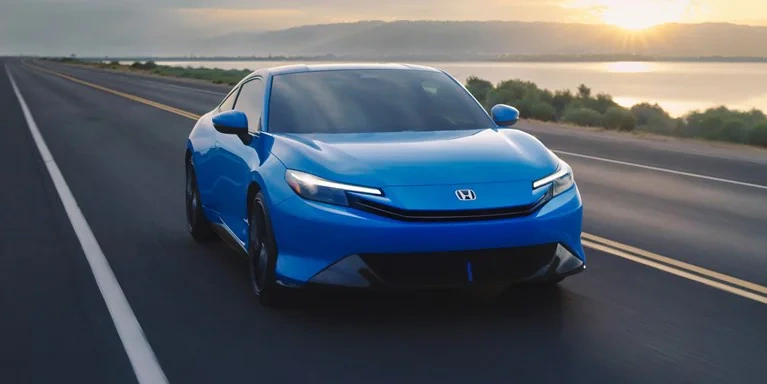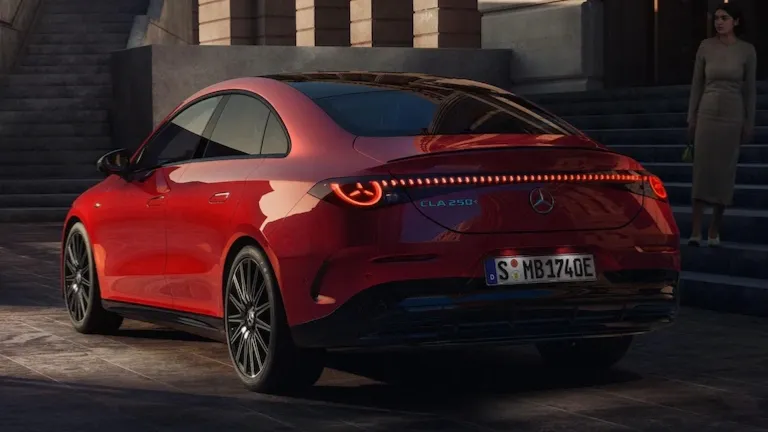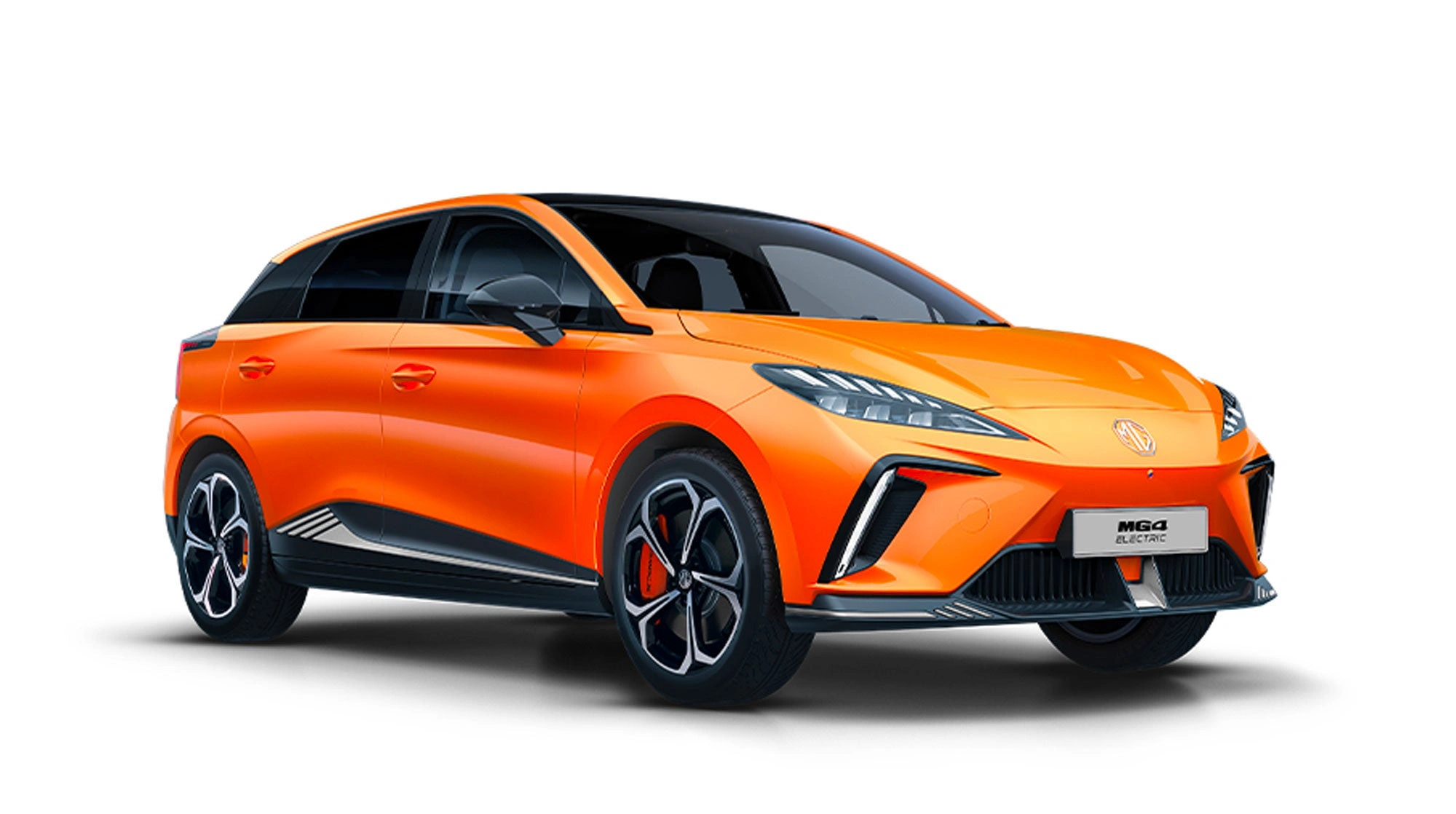
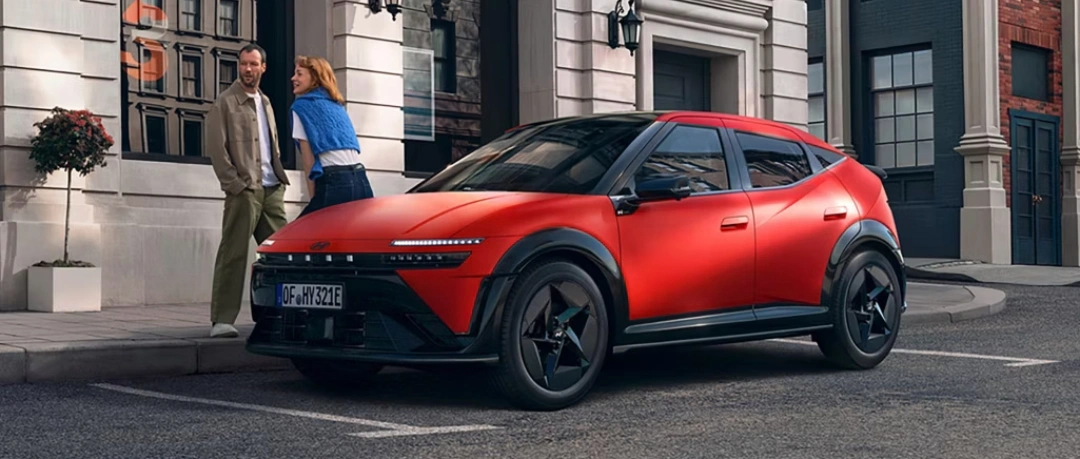
However, the range of the new model presented by Hyundai in Europe – the Hyundai Ioniq 3 – exceeded all expectations. An amazing range of almost 500 kilometers makes it possible to talk about its high efficiency. However, there remains another important issue. Is this model as applicable to India? For now, the answer looks like ‘no’.
Undoubtedly, the primary advantage of this vehicle lies in the high efficiency of its operation. Thanks to its light body and excellent aerodynamics, a car equipped with a 61 kWh battery can cover a record distance. Moreover, an exceptionally low drag coefficient of 0.263 proves this fact. Therefore, one can say that the emphasis was made on high efficiency rather than power of this car.
Also Read : New VW ID. Polo Breaks Cover – Affordable EV with 454 Km Range
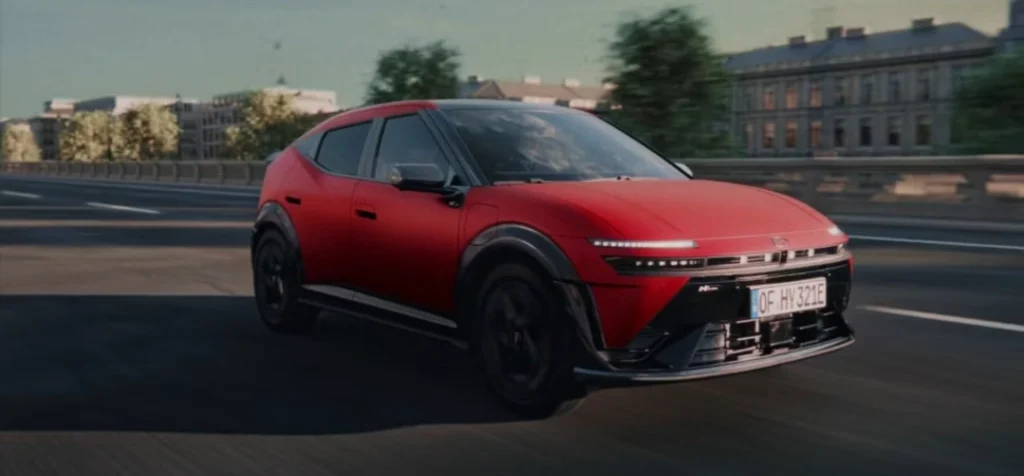
However, things would work differently in India. The price of the Hyundai Ioniq 3, in case of launch in India, could go over ₹25 lakh. For such an amount, Indians generally opt for SUVs rather than hatchbacks. Hence, this vehicle might find it difficult to gain popularity among people due to its advanced nature.
The next issue is that of charging stations. Fast charging stations are not present across all parts of India, particularly in small towns and on highways. Although 500 km sounds impressive on paper, availability of charging stations becomes crucial in determining its efficiency. People generally charge their vehicles at home, failing to exploit the utility of a bigger battery.
Also Read : BYD Denza B8 Patent Filed in India – Land Cruiser Rival Coming Soon
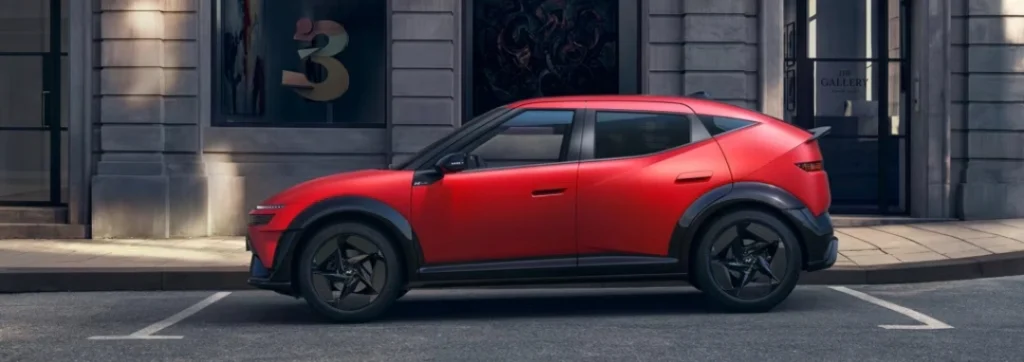
Moreover, the Indian customers have a different taste. Though smaller cars command high prices in the European market, the preference of Indian customers lies with large and tall SUVs at similar prices. As such, there is very limited scope of such a premium hatchback in the Indian market.
In conclusion, the example of the Ioniq 3 illustrates the rapid growth and development of EV technology in the international market. Nevertheless, a successful launch in the Indian market depends not only on advanced technology but also on reasonable pricing and infrastructure, among other factors. The discussed car remains an impressive example, yet it is unsuitable for the Indian market.